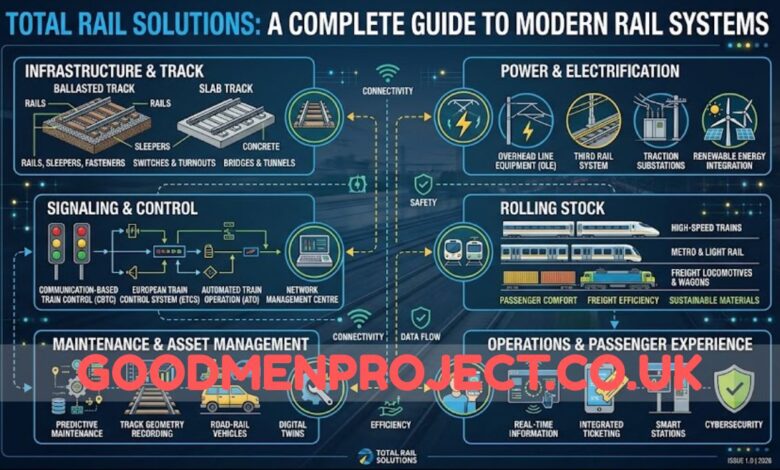
Modern transportation continues to evolve as cities and industries demand faster and smarter mobility systems. Total Rail Solutions represent a complete approach to railway infrastructure, combining technology, engineering, maintenance, and operational efficiency into one integrated system. These solutions help rail networks function smoothly while supporting growing passenger and freight demands.
Rail systems have become an essential part of urban and industrial development. Governments and private organizations invest heavily in railway modernization because trains offer dependable and energy-efficient transport. Advanced rail networks improve connectivity between cities, reduce road congestion, and support economic growth through better logistics.
The concept also focuses on sustainability and long-term performance. From digital signaling to automated monitoring systems, modern rail infrastructure minimizes delays and increases safety. As the transportation industry moves toward greener alternatives, rail solutions continue to gain global attention for their environmental and economic advantages.
The Importance of Modern Rail Systems
Efficient railway systems play a major role in supporting modern economies. They transport millions of passengers daily while moving large quantities of goods across regions. Reliable train networks reduce travel time and improve accessibility for businesses and communities alike.
Urban populations continue to rise rapidly, creating pressure on roads and public transport systems. Rail transportation provides an effective solution because it can carry more passengers with lower emissions. Cities with strong railway infrastructure often experience improved traffic management and better air quality.
Modern rail systems also encourage regional development. Improved transportation links attract businesses, tourism, and investment opportunities. Areas connected by rail networks often benefit from increased employment and stronger economic activity, making railway expansion a strategic national priority.
Key Benefits of Total Rail Solutions
One of the biggest advantages of Total Rail Solutions is operational efficiency. Advanced technologies help optimize train schedules, reduce delays, and improve passenger experiences. Automation and digital systems allow operators to monitor performance in real time for better decision-making.
Safety improvements are another major benefit. Modern rail systems include smart signaling, track monitoring, and predictive maintenance technologies. These innovations reduce accidents, prevent equipment failures, and ensure smoother transportation operations for both passengers and freight services.
Environmental sustainability is equally important. Rail transport produces fewer emissions compared to road or air travel. Electric trains and energy-efficient systems help reduce fuel consumption while supporting global climate goals. This makes rail systems one of the most environmentally friendly transportation options available today.
Types of Rail Transportation Systems
Rail transportation includes several categories designed for different purposes. Passenger rail systems focus on urban transit, intercity travel, and high-speed transportation. These services provide affordable and convenient mobility for millions of commuters worldwide.
Freight rail systems are designed to transport goods efficiently over long distances. Industries rely on freight trains for moving raw materials, consumer products, and industrial equipment. Rail freight reduces highway congestion while lowering transportation costs for businesses.
Specialized rail systems also exist for mining, ports, and industrial operations. These customized networks improve logistics and productivity within specific sectors. High-speed rail projects are another growing category, offering faster travel between major cities and reducing reliance on short-haul flights.
Essential Components of Rail Infrastructure
Rail infrastructure consists of multiple interconnected components working together. Tracks, signaling systems, stations, communication networks, and power supplies form the foundation of railway operations. Each element must function efficiently to maintain safe and reliable services.
Signaling technology is one of the most important parts of modern railway systems. Digital signaling improves train control and reduces the risk of collisions. Automated systems also increase track capacity by allowing trains to operate closer together safely.
Maintenance facilities and monitoring systems are equally critical. Rail operators use sensors and predictive analytics to detect issues before they become serious problems. Regular maintenance ensures infrastructure remains durable, reliable, and capable of supporting growing transportation demands.
Technology Driving Rail Innovation
Technology has transformed railway systems dramatically over the past decade. Artificial intelligence and data analytics help operators monitor train performance, predict maintenance needs, and optimize traffic flow. These advancements improve reliability and reduce operational costs.
Automation is becoming increasingly common in rail transportation. Driverless metro systems already operate in several major cities worldwide. Automated controls improve accuracy, reduce human error, and enhance passenger safety during operations.
Digital ticketing and passenger information systems also improve travel experiences. Mobile applications allow travelers to check schedules, purchase tickets, and receive real-time updates. Smart technologies make rail travel more convenient while supporting efficient network management.
Sustainability and Environmental Impact
Environmental concerns have increased the importance of sustainable transportation solutions. Rail systems are recognized as one of the cleanest forms of mass transit because they produce lower greenhouse gas emissions than cars or airplanes.
Electric rail systems contribute significantly to reducing fossil fuel dependence. Many countries continue investing in renewable energy-powered trains to meet environmental targets. Cleaner transportation helps improve urban air quality and supports healthier living conditions.
Rail infrastructure also promotes efficient land use and reduced traffic congestion. By encouraging public transport adoption, cities can decrease the number of private vehicles on roads. This leads to lower pollution levels and improved urban mobility overall.
Challenges in Implementing Rail Solutions
Despite their advantages, implementing modern railway systems involves several challenges. Infrastructure projects require substantial financial investment, making funding a major concern for governments and private companies alike.
Land acquisition and urban planning issues can delay rail projects significantly. Building tracks, stations, and support systems often requires careful coordination between authorities, communities, and environmental agencies. Delays may increase project costs and complexity.
Technological integration also presents difficulties. Upgrading outdated infrastructure while maintaining daily operations requires careful planning and skilled expertise. Rail operators must ensure compatibility between old systems and new digital technologies for smooth implementation.
Successful Global Rail Case Studies
Several countries have successfully developed advanced railway systems that demonstrate the power of Total Rail Solutions. Japan’s high-speed rail network is widely recognized for its punctuality, safety, and technological innovation. The system efficiently connects major cities while supporting economic growth.
European countries also lead in sustainable rail transportation. Nations such as Germany and France have invested heavily in modern rail infrastructure, improving regional connectivity and reducing dependence on road transport. Their systems highlight the benefits of integrated transportation planning.
China has rapidly expanded its high-speed rail network over the last decade. Massive investments in infrastructure have transformed travel across the country, reducing journey times and boosting regional development. These examples show how rail innovation can reshape transportation systems globally.
The Role of Rail Freight in Economic Growth
Rail freight remains a critical part of global supply chains. Businesses depend on efficient cargo transportation to move goods quickly and cost-effectively across long distances. Modern freight systems help industries maintain productivity and reduce logistics expenses.
Heavy industries especially benefit from rail transportation because trains can carry large quantities of materials efficiently. Sectors such as mining, agriculture, and manufacturing rely on freight rail for dependable transportation solutions.
Improved freight infrastructure also supports international trade. Ports connected to railway networks can move cargo faster between shipping terminals and inland destinations. Efficient logistics systems strengthen economies by improving distribution and reducing transportation bottlenecks.
Future Trends in Modern Rail Systems
The future of rail transportation looks highly promising as technology continues advancing. Smart rail networks powered by artificial intelligence and automation will improve efficiency, safety, and passenger convenience across global transportation systems.
Hydrogen-powered and battery-operated trains are expected to become more common. These environmentally friendly technologies aim to reduce emissions further while supporting sustainable transportation goals worldwide.
Hyperconnectivity and digital integration will also shape future railway operations. Real-time monitoring, smart stations, and advanced communication systems will create seamless travel experiences for passengers. The railway industry continues evolving toward faster, cleaner, and more intelligent transportation solutions.
Why Total Rail Solutions Matter Today
Modern societies require transportation systems that are reliable, sustainable, and efficient. Total Rail Solutions address these needs by combining advanced technology with strong infrastructure planning and operational excellence.
Rail networks not only support passenger mobility but also strengthen industries and economies. Efficient train systems reduce environmental impact while improving connectivity between urban and rural regions. Their long-term benefits make them an essential part of future transportation strategies.
As governments and businesses continue investing in railway modernization, the role of integrated rail solutions will become even more significant. The future of transportation depends heavily on smart, sustainable rail systems capable of meeting growing global demands.
Conclusion
The railway industry is undergoing a remarkable transformation driven by innovation, sustainability, and growing transportation needs. Total Rail Solutions provide a comprehensive approach that combines infrastructure, technology, maintenance, and operational efficiency into one effective system.
From passenger transit to freight logistics, modern rail systems deliver significant economic and environmental benefits. They reduce congestion, improve safety, and support cleaner transportation alternatives for future generations.
As technology continues advancing, railway networks will become even smarter and more efficient. Countries investing in modern rail infrastructure today are building the foundation for a connected, sustainable, and economically strong future.