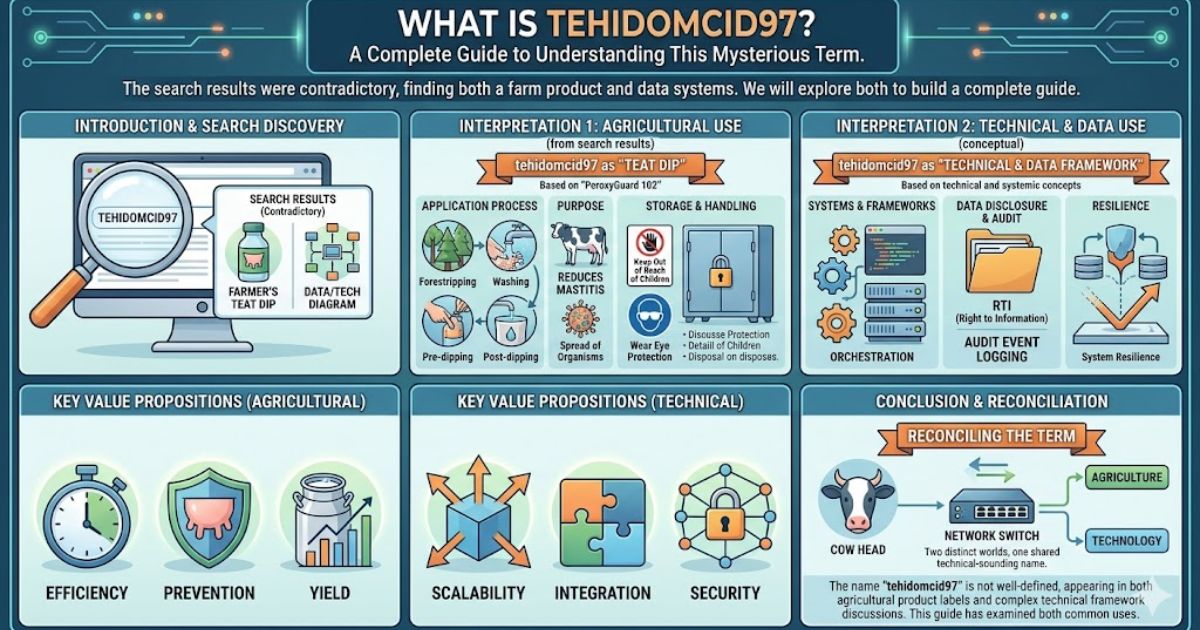
In today’s digital world, unusual strings of text, codes, and identifiers often appear across devices, websites, and online systems, leaving users confused. One such term that has recently raised curiosity is “what is tehidomcid97 on.” At first glance, it looks like a random mix of letters and numbers, but many users encounter it in logs, system messages, or unknown online references. Because of its unclear nature, people often assume it might be a software code, a tracking identifier, or even a hidden system tag. However, understanding such terms requires breaking them down logically rather than jumping to conclusions. In this article, we will explore possible meanings, technical interpretations, and the digital contexts in which such a term might appear.
Understanding Random System Identifiers in Digital Environments
To understand “what is tehidomcid97 on,” it helps to first look at how modern systems generate identifiers. In computing, random strings like this are often used as unique IDs for sessions, processes, encrypted tokens, or backend logs. These identifiers are not meant to be readable by humans but are essential for machines to track data securely. For example, servers may assign such codes to differentiate between millions of active users or processes. Because they are auto-generated, they often appear meaningless. In many cases, users come across them accidentally when viewing debug information, error logs, or hidden system outputs that were never intended for public viewing.
Could “tehidomcid97 on” Be a Software or Debug Code?
Another possible explanation for the term is that it belongs to a software debugging system. Developers frequently embed temporary identifiers in applications to track performance issues or system behavior. In this context, “what is tehidomcid97 on” could represent a debug label, a session marker, or an internal test reference. Such codes help engineers identify where an error occurred or which part of the system is behaving unexpectedly. However, these identifiers are usually not documented publicly, which is why users often feel confused when they encounter them. Without official documentation or context from the software source, these strings remain ambiguous and difficult to interpret accurately.
The Role of Encryption and Randomized Strings in Security
In cybersecurity, random-looking strings like “tehidomcid97” are often part of encryption systems. Encryption relies on generating unpredictable data to secure information from unauthorized access. These strings may serve as cryptographic salts, session keys, or hashed values. When combined with terms like “on,” it may indicate an active session or process state. This is why people searching for “what is tehidomcid97 on” might actually be encountering a security-related system message. Importantly, these identifiers are designed to be meaningless to humans while remaining functional for machines, ensuring data protection and secure communication across networks.
Is It a Tracking Identifier or Analytics Tag?
In many online platforms, tracking systems generate unique identifiers to monitor user activity anonymously. These tags help websites understand how users interact with pages, apps, or services without revealing personal identities. The string “tehidomcid97” could potentially fall into this category. When combined with a suffix like “on,” it may indicate an active tracking state or event trigger. These identifiers are commonly used in analytics tools to measure performance metrics, detect anomalies, or improve user experience. Although they look strange to users, they play a crucial role in maintaining the efficiency and intelligence of modern digital platforms.
Why Users Often Encounter Unknown Codes Like This
Most users come across terms like “what is tehidomcid97 on” when dealing with system errors, browser console logs, or app debugging screens. These codes are usually hidden during normal usage but may become visible due to glitches, developer tools, or misconfigured systems. When this happens, it can create confusion because the information is not presented in a user-friendly format. However, such occurrences are generally harmless. They simply reflect internal processes of an application or website. Understanding this helps reduce unnecessary concern and highlights how complex modern software systems are behind the scenes.
Could It Be a Malicious or Suspicious Indicator?
While most unknown strings are harmless, it is natural to wonder whether something like “tehidomcid97” could indicate malware or suspicious activity. In cybersecurity analysis, unusual identifiers are sometimes investigated to rule out threats. However, there is no inherent evidence that such a term automatically signals danger. Malware usually involves structured patterns, executable behavior, or known signatures rather than random standalone text strings. Still, if such a code appears alongside system slowdowns, pop-ups, or unauthorized activity, it is always wise to run a security scan. Context matters more than the string itself when assessing risk.
The Importance of Context in Interpreting Digital Strings
One of the most important lessons when analyzing terms like “what is tehidomcid97 on” is that context determines meaning. The same string can have completely different interpretations depending on where it appears. In a database, it could be a record ID. In a web browser, it might be a session token. In a mobile app, it could be part of a crash report. Without knowing the exact environment, it is impossible to assign a single fixed meaning. This is why professionals always analyze system logs, source code, and application behavior together before drawing conclusions.
How Developers Use Such Codes in Real Systems
Developers rely heavily on autogenerated identifiers to manage complex applications. These codes help in logging user activity, tracking system performance, and debugging errors efficiently. A string like “tehidomcid97” could easily be part of a larger naming convention used internally by a system. The addition of “on” might indicate a status flag, such as active, enabled, or running. These naming patterns are not standardized globally, which is why they often appear random to outsiders. However, within the system’s architecture, they serve a very specific and structured purpose.
Should Users Be Concerned About Seeing It?
In most cases, encountering “what is tehidomcid97 on” is not a cause for concern. These types of strings are usually harmless artifacts of digital processes. They do not typically affect system performance or user data. However, if such a term appears repeatedly in unusual places or is associated with system errors, it may be worth investigating further. Restarting the application, clearing cache, or checking for updates can often resolve minor glitches that expose backend identifiers. Understanding that not all unfamiliar text is harmful helps users interact more confidently with technology.
Conclusion: Decoding the Digital Unknown
In conclusion, the term “what is tehidomcid97 on” represents the kind of mysterious digital artifact that often confuses everyday users. While it may look strange or even concerning at first, it is most likely a system-generated identifier used for internal tracking, debugging, or security purposes. Modern digital systems rely heavily on such codes to function efficiently behind the scenes. Without proper context, these strings remain unreadable to humans but are essential for machines. By understanding their role, users can better interpret what they see on their screens and avoid unnecessary worry when encountering similar unknown terms in the future.