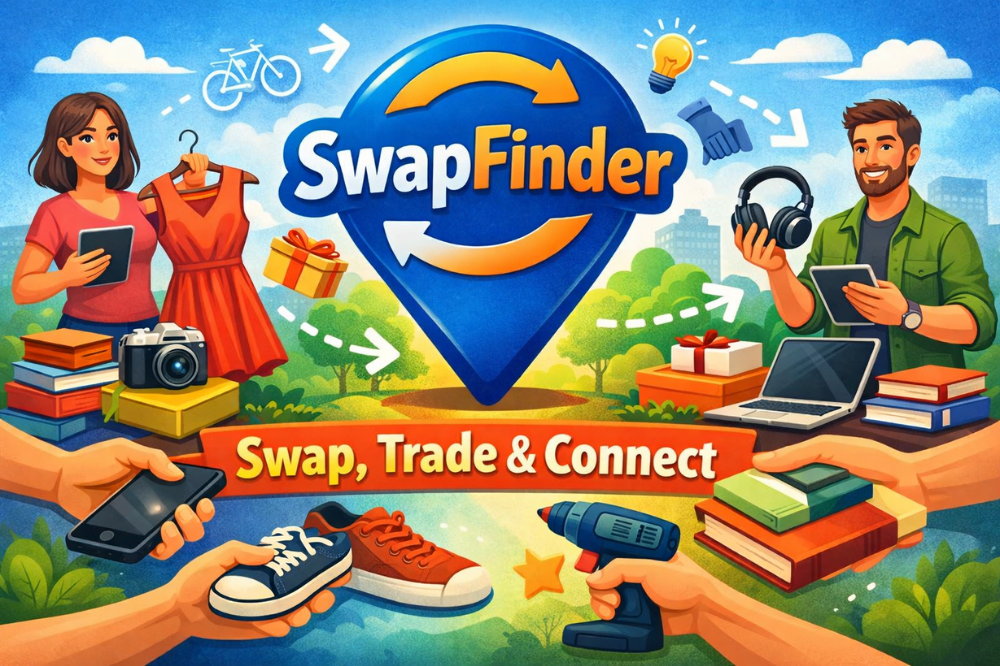
In today’s fast-paced digital world, people are constantly looking for smarter ways to save money, reduce waste, and connect with others. One concept that has gained significant popularity is swapping—trading goods or services without necessarily involving cash. This is where SwapFinder comes into play. Whether you are decluttering your home, searching for a specific item, or simply exploring alternative ways to consume, SwapFinder offers a practical and innovative solution.
This article explores what SwapFinder is, how it works, its benefits, and why it is becoming a preferred choice for individuals and communities worldwide.
What is SwapFinder?
SwapFinder is a platform, tool, or concept designed to help users find opportunities to exchange items or services with others. Instead of purchasing new products, users can trade what they already have for something they need. This approach promotes sustainability, affordability, and community engagement.
The idea behind SwapFinder is simple: connect people who have something to offer with those who are looking for it. Whether it’s clothing, electronics, books, or even skills like tutoring or graphic design, SwapFinder makes it easier to find the right match.
In many ways, SwapFinder aligns with the growing sharing economy, where ownership is less important than access. By facilitating exchanges, it helps reduce unnecessary spending and encourages smarter consumption habits.
How SwapFinder Works
SwapFinder typically operates through an online platform or app that connects users based on their needs and offerings. While the exact features may vary, the general process remains straightforward.
First, users create a profile and list items or services they are willing to exchange. These listings often include descriptions, images, and preferences for what they want in return. The more detailed the listing, the better the chances of finding a suitable match.
Next, users browse available listings or use search filters to find items or services they need. Advanced versions of SwapFinder may include location-based filtering, category sorting, and recommendation systems to improve matching accuracy.
Once a potential match is found, users can communicate directly through the platform. They can negotiate terms, agree on the exchange, and arrange delivery or meetups. Some platforms even offer secure messaging and rating systems to build trust among users.
Key Features of SwapFinder
SwapFinder stands out due to its user-friendly features that simplify the swapping process. One of the most important features is the matching algorithm, which connects users with similar interests or complementary needs.
Another notable feature is secure communication tools. These allow users to chat safely within the platform, reducing the risks associated with external communication. Many SwapFinder platforms also include user reviews and ratings, helping individuals assess the reliability of potential swap partners.
Additionally, category organization makes it easier to navigate listings. Users can quickly find items in categories such as fashion, electronics, home goods, or services. Some platforms also provide wish lists, enabling users to specify exactly what they are looking for.
Benefits of Using SwapFinder
One of the biggest advantages of SwapFinder is cost savings. By exchanging items instead of buying new ones, users can significantly reduce their expenses. This is especially helpful for students, families, or anyone on a budget.
Another major benefit is sustainability. SwapFinder promotes reuse and reduces waste, making it an eco-friendly alternative to traditional consumption. Instead of throwing away unused items, people can give them a second life through swapping.
SwapFinder also fosters community building. It encourages people to connect, collaborate, and share resources. This can lead to stronger local networks and a sense of belonging.
Furthermore, the platform offers convenience. With easy-to-use tools and digital access, users can find and arrange swaps from the comfort of their homes.
SwapFinder for Different Use Cases
SwapFinder is versatile and can be used in various scenarios. For instance, individuals can use it to exchange clothing, helping them refresh their wardrobe without spending money. Parents can swap toys or baby items, which are often used for a short period.
Students can benefit by trading textbooks or study materials, saving significant costs. Similarly, professionals can exchange services, such as web design for marketing assistance.
Communities can also organize local swap events using SwapFinder, bringing people together and promoting sustainable practices on a larger scale.
Tips for Successful Swapping
To make the most out of SwapFinder, it’s important to follow a few best practices. First, always provide clear and honest descriptions of your items or services. Transparency builds trust and increases the likelihood of successful exchanges.
Second, include high-quality images. Visuals help others understand what you are offering and make your listing more attractive.
Third, communicate effectively. Be polite, responsive, and clear about your expectations. Good communication ensures smooth transactions and positive experiences.
Lastly, prioritize safety. When meeting in person, choose public places and inform someone about your plans. If the platform offers secure delivery options, consider using them.
Challenges and Limitations
While SwapFinder offers numerous benefits, it also has some challenges. One common issue is finding the perfect match. Unlike traditional buying, swapping requires mutual interest, which may take time.
Another limitation is the perceived value of items. Different users may value items differently, leading to disagreements during negotiations. However, clear communication can help resolve such issues.
Additionally, not all items are suitable for swapping. Some products may have limited demand, making it harder to find interested users.
Despite these challenges, the advantages of SwapFinder often outweigh the drawbacks, especially for those willing to be patient and flexible.
The Future of SwapFinder
As sustainability becomes a global priority, platforms like SwapFinder are expected to grow in popularity. Advances in technology, such as artificial intelligence and machine learning, will likely improve matching accuracy and user experience.
Future versions of SwapFinder may include enhanced personalization, better security features, and integration with other digital services. This will make swapping even more convenient and accessible.
Moreover, as more people embrace eco-friendly lifestyles, the demand for swapping platforms will continue to rise. SwapFinder is well-positioned to play a key role in this transformation.
Conclusion
SwapFinder represents a smart, sustainable, and community-driven approach to exchanging goods and services. By connecting individuals with shared needs, it reduces waste, saves money, and fosters meaningful connections.
Whether you are looking to declutter your home, find something new without spending, or contribute to a greener planet, SwapFinder offers a practical solution. As the world moves toward more conscious consumption, platforms like SwapFinder are not just useful—they are essential.
FAQs
1. What is SwapFinder used for?
SwapFinder is used to connect people who want to exchange goods or services without using money. It helps users find suitable matches for trading items or skills.
2. Is SwapFinder free to use?
Many SwapFinder platforms offer free basic access, although some may include premium features or subscription options for enhanced functionality.
3. What types of items can I swap on SwapFinder?
You can swap a wide range of items, including clothing, electronics, books, home goods, and even services like tutoring or design work.
4. Is it safe to use SwapFinder?
Yes, most platforms include safety features such as secure messaging and user ratings. However, users should always follow basic safety precautions when meeting others.
5. Can businesses use SwapFinder?
Yes, businesses can use SwapFinder to exchange services, collaborate with other companies, or reduce operational costs through bartering.
6. How do I increase my chances of finding a swap?
To improve your chances, create detailed listings, use clear images, and be open to negotiation. Active communication also plays a key role.
7. Is SwapFinder environmentally friendly?
Absolutely. SwapFinder promotes reuse and reduces waste, making it a sustainable alternative to traditional buying and selling.