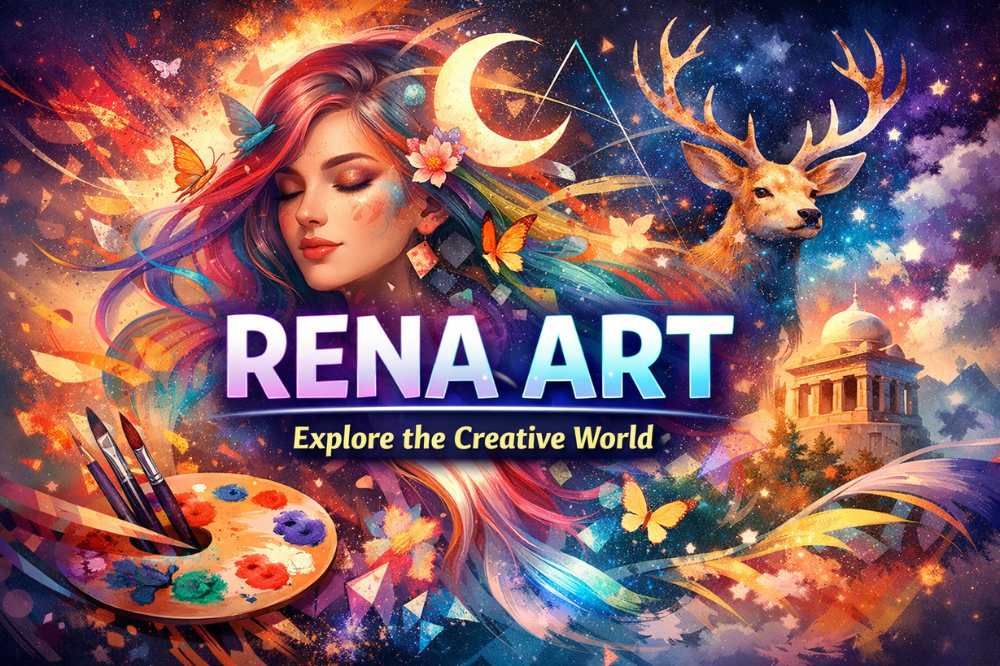
Art has always been a reflection of human imagination, emotion, and culture. Over the centuries, countless artistic styles have emerged, each offering a new way to interpret life and experiences. Among contemporary creative movements, there’s a growing fascination with a style often referred to as rena-inspired artistry. This concept blends imagination, symbolism, and modern techniques, making it a unique approach for artists seeking both freedom and meaning in their work.
In this article, we will examine its origins, defining traits, cultural influence, and why it continues to capture the attention of artists and enthusiasts alike.
Understanding the Concept
At its core, rena-inspired work emphasizes transformation, renewal, and emotional storytelling. The name itself evokes ideas of rebirth and creative reinvention. Rather than adhering to strict stylistic rules, this form of expression encourages experimentation and personal interpretation.
Creators in this movement often focus on blending traditional art methods with contemporary digital tools. The result is visually striking pieces that convey depth and emotion, offering viewers more than just decorative appeal. Each piece can serve as a narrative journey, layered with symbolic meaning and vibrant aesthetics.
Origins and Evolution
Unlike classical art styles, this creative trend emerged in the digital age. Online platforms and modern design tools have played a significant role in its development, allowing artists from around the globe to share and reinterpret ideas freely.
The movement has roots in both traditional painting techniques and the possibilities offered by modern graphic tools. Digital tablets, illustration software, and social media have allowed creators to combine these influences in new and exciting ways. As a result, the style has grown rapidly, attracting both hobbyists and professional designers.
Key Characteristics
While there is no strict template, certain features often define this imaginative art form:
Vibrant and Expressive Colors
Color is a central element. Artists frequently use bold, contrasting tones alongside soft gradients to evoke mood and highlight specific elements.
Symbolic and Abstract Imagery
Many works incorporate motifs inspired by nature, surreal elements, or abstract shapes. These visual symbols often convey themes of transformation, growth, or self-discovery.
Fusion of Digital and Traditional Techniques
The interplay between digital precision and traditional inspiration creates a unique visual texture. For example, digital illustrations might emulate watercolor effects or oil painting textures, giving the pieces a handcrafted feel.
Storytelling and Emotional Depth
Beyond aesthetics, these creations often communicate deeper messages. Through expressive compositions and layered symbolism, artists can convey personal experiences or universal themes, making each work emotionally engaging.
Influence on Modern Creative Industries
This approach has begun to impact various creative sectors. Its versatility makes it suitable for digital illustration, graphic design, and even entertainment concept art.
Graphic Design and Marketing
Designers integrate these artistic principles into posters, album covers, and branding materials. The distinctive combination of color, texture, and symbolism ensures that visuals stand out in competitive markets.
Online Art Communities
Social media and online art-sharing platforms have been essential in popularizing this style. Artists frequently share experiments, tutorials, and collaborative projects, helping the aesthetic evolve and spread worldwide.
Entertainment and Concept Art
The imaginative and symbolic nature of this approach makes it ideal for character design, animation, and video game environments. It allows creators to build compelling, visually rich worlds that resonate with audiences.
Why Artists Are Drawn to This Movement
Creative freedom is perhaps the greatest appeal. Unlike traditional movements with rigid techniques, this approach encourages personal expression and exploration.
Artists enjoy experimenting with color, form, and storytelling elements to create pieces that reflect their unique vision. Additionally, the focus on emotional depth and symbolic meaning allows them to communicate ideas and experiences visually, making their work more impactful.
The Role of Technology
The digital era has been transformative for this style. Tools like graphic tablets, design software, and AI-powered creative applications provide artists with endless possibilities. These technologies enable precise control over color, composition, and texture while maintaining the expressive qualities of traditional art.
Despite its modern digital leanings, the movement often draws inspiration from classical painting, sculpture, and illustration. This blend of old and new techniques gives the style a distinctive identity that continues to evolve.
Cultural Significance
This approach reflects a broader cultural trend emphasizing individuality, creativity, and emotional authenticity. Artists increasingly seek to create work that reflects personal experiences and perspectives, rather than purely decorative visuals.
By encouraging experimentation and self-expression, this movement aligns with contemporary values of personal growth and artistic exploration. Its pieces often resonate on an emotional level, connecting with viewers beyond surface-level aesthetics.
The Future of Contemporary Symbolic Art
Looking ahead, this style is poised to grow as technology and creativity intersect further. Innovations like virtual reality, AI-assisted design, and immersive digital media could expand how artists create and present their work.
Even as new techniques emerge, the core principles—freedom of expression, symbolic storytelling, and vibrant aesthetics—will continue to guide the movement. Artists will keep exploring ways to communicate emotions and ideas visually, ensuring its relevance in future creative landscapes.
Conclusion
This imaginative approach to artistry offers a unique way for creators to explore emotion, symbolism, and personal expression. By blending traditional inspiration with modern digital tools, artists can produce visually dynamic and meaningful works.
Its impact on digital illustration, graphic design, and entertainment demonstrates its versatility and appeal. As technology and artistic vision continue to evolve, this movement will remain a significant force in contemporary creativity.
FAQs
What is the main idea behind this creative movement?
It emphasizes renewal, personal expression, and storytelling through visual symbolism and innovative techniques.
Is it a strict art style?
No. It is a flexible concept, allowing artists to interpret it in various ways without rigid rules.
Where can this type of art be seen?
It is commonly found in digital illustrations, graphic designs, online art communities, and experimental visual projects.
Why is it gaining popularity?
Its combination of creative freedom, expressive storytelling, and visually striking aesthetics appeals to artists and audiences alike.
Can beginners participate?
Absolutely. Artists of all skill levels can experiment with color, composition, and symbolic elements to create their own unique interpretations.