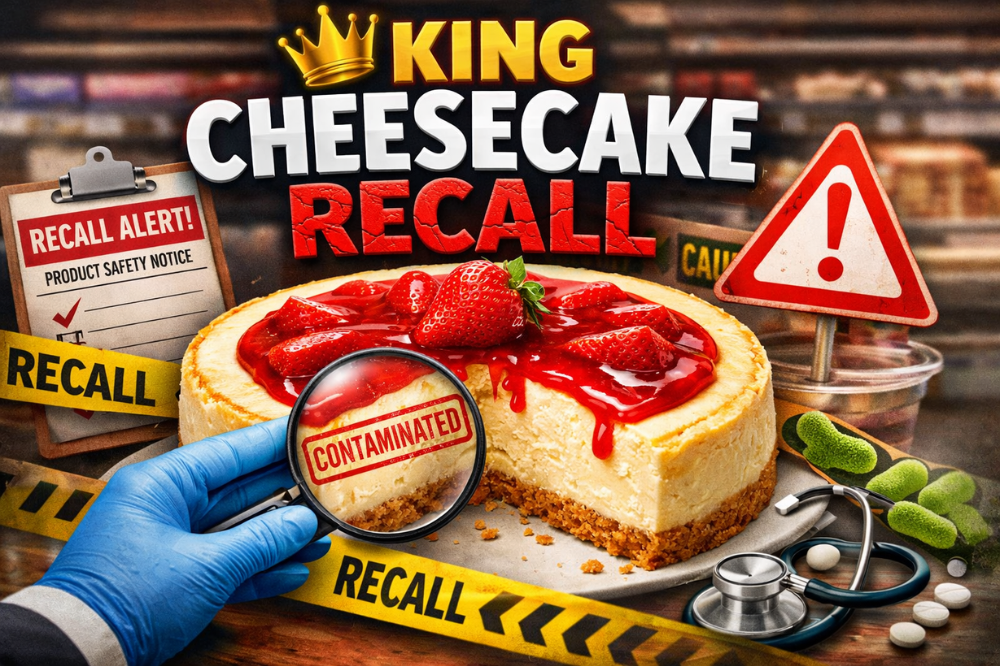
Food recalls can create confusion and concern, especially when they involve popular desserts like cheesecake. Recently, the king cheesecake recall has caught the attention of consumers, retailers, and food safety authorities. This article explores what the recall means, why it happened, and what steps you should take if you have purchased affected products.
What Is the King Cheesecake Recall?
The king cheesecake recall refers to a situation where certain cheesecake products sold under a specific brand or label were removed from the market due to potential safety concerns. Food recalls are typically issued when there is a risk to public health, such as contamination, mislabeling, or the presence of undeclared allergens.
In this case, the recall was initiated as a precautionary measure to protect consumers. Regulatory authorities and manufacturers often act quickly when even a small risk is identified, ensuring that unsafe products do not remain on store shelves.
The recall affects selected batches, not all cheesecake products. This means that only specific production dates, lot numbers, or distribution regions are involved.
Why Was the Cheesecake Recalled?
There are several common reasons behind food recalls, and the king cheesecake recall may involve one or more of the following factors:
1. Undeclared Allergens
One of the leading causes of food recalls is the presence of allergens not listed on the label. Ingredients like nuts, dairy, soy, or gluten can pose serious health risks for individuals with allergies.
2. Possible Contamination
Food products can sometimes be contaminated with harmful bacteria such as Salmonella or Listeria. Even a small chance of contamination can lead to a recall.
3. Labeling Errors
Incorrect packaging or labeling can mislead consumers about ingredients or expiration dates. This is another frequent reason recalls are issued.
4. Quality Concerns
Sometimes, recalls are initiated due to quality issues that may not be harmful but fail to meet safety standards.
While the exact cause may vary, the goal is always the same: protecting consumer health and maintaining trust.
Which Products Are Affected?
The king cheesecake recall typically involves specific products rather than an entire product line. Affected items may include:
- Pre-packaged cheesecakes sold in supermarkets
- Frozen cheesecake products
- Specialty or flavored cheesecake varieties
Consumers are advised to check:
- Product name and brand
- Batch or lot number
- Expiration or “best before” date
- Packaging details
If your product matches the recall notice, it is considered unsafe for consumption.
How to Identify Recalled Cheesecake
To determine whether your cheesecake is part of the king cheesecake recall, follow these steps:
- Check the Packaging
Look for labels, codes, and manufacturing details printed on the box or container. - Compare with Official Notices
Visit official food safety websites or retailer announcements to verify recall information. - Look for Warning Signs
Although not always present, unusual smell, texture, or appearance can indicate a problem. - Contact the Manufacturer
If you are unsure, reaching out to the company directly can provide clarity.
Taking these steps can help you quickly determine whether your product is affected.
What Should You Do If You Have a Recalled Product?
If you find that your cheesecake is part of the king cheesecake recall, do not consume it. Instead, follow these recommended actions:
Dispose of the Product
Safely discard the cheesecake in a sealed bag to prevent others from consuming it.
Return It to the Store
Many retailers offer refunds or replacements for recalled items. Bring your receipt if possible.
Contact Customer Support
Manufacturers often provide helplines or websites where consumers can report issues or get assistance.
Stay Informed
Keep track of updates from food safety authorities in case the recall expands or additional information is released.
Health Risks Associated with Contaminated Cheesecake
The potential health risks depend on the reason behind the recall. Some common risks include:
- Food poisoning: Symptoms may include nausea, vomiting, diarrhea, and stomach cramps.
- Allergic reactions: For individuals with allergies, consuming undeclared ingredients can lead to severe reactions.
- Infections: Bacterial contamination can cause serious illness, especially in vulnerable populations like children, elderly individuals, and pregnant women.
If you experience symptoms after consuming a recalled product, seek medical attention immediately.
How Food Recalls Are Managed
Understanding how recalls work can provide reassurance during situations like the king cheesecake recall.
Step 1: Detection
The issue is identified through testing, consumer complaints, or routine inspections.
Step 2: Investigation
Authorities and manufacturers investigate the cause and scope of the problem.
Step 3: Public Announcement
A recall notice is issued to inform the public and retailers.
Step 4: Product Removal
Affected items are removed from shelves and distribution channels.
Step 5: Resolution
Steps are taken to fix the issue and prevent future occurrences.
This structured approach ensures that risks are minimized and handled efficiently.
Preventing Food Safety Issues at Home
While recalls are beyond consumer control, you can reduce risks by practicing safe food handling:
- Store perishable items at proper temperatures
- Check expiration dates before consumption
- Avoid cross-contamination in the kitchen
- Wash hands and utensils thoroughly
- Stay updated on food recall news
These habits can help keep you and your family safe.
Impact on Consumers and Brands
The king cheesecake recall affects both consumers and the company involved.
For Consumers
- Temporary loss of trust in the brand
- Inconvenience of returning or discarding products
- Concerns about food safety
For Brands
- Financial losses due to product withdrawal
- Damage to reputation
- Need to improve quality control systems
However, transparent handling of recalls can help rebuild trust over time.
The Importance of Food Safety Regulations
Food safety agencies play a critical role in protecting public health. They enforce strict guidelines for production, labeling, and distribution.
Recalls like the king cheesecake recall demonstrate that these systems are working effectively. While recalls may seem alarming, they are a sign that safety checks are in place and functioning as intended.
FAQs
1. What is the king cheesecake recall about?
It refers to the removal of certain cheesecake products from the market due to potential safety concerns such as contamination or labeling issues.
2. How do I know if my cheesecake is affected?
Check the product’s packaging, including batch numbers and expiration dates, and compare them with official recall notices.
3. Can I eat the recalled cheesecake?
No, it is strongly advised not to consume any product included in the recall.
4. What should I do with a recalled product?
You can return it to the store for a refund or safely dispose of it.
5. What are the risks of eating contaminated cheesecake?
Possible risks include food poisoning, allergic reactions, or infections depending on the issue.
6. Are all cheesecake products affected?
No, only specific batches or products are involved in the recall.
7. Will I get a refund?
Most retailers and manufacturers offer refunds or replacements for recalled items.
8. How can I stay updated on food recalls?
Follow official food safety authority websites and news updates.
Conclusion
The king cheesecake recall highlights the importance of food safety and consumer awareness. While recalls can be concerning, they are a proactive measure to protect public health. By staying informed, checking product details, and following safety guidelines, you can minimize risks and make informed decisions.
Always remember that food safety is a shared responsibility between manufacturers, regulators, and consumers. Staying alert and informed is the best way to ensure your well-being.