Animation has always had a way of capturing the imaginations of children and adults alike. One series that stands out in the golden era of cartoons is He-Man Woman Haters Club, a creation that blends humor, friendship, and the playful dynamics of childhood. This show, though not as widely known as mainstream titles, has carved out a niche in the hearts of fans for its unique charm and memorable storytelling.
Origins of the He-Man Woman Haters Club
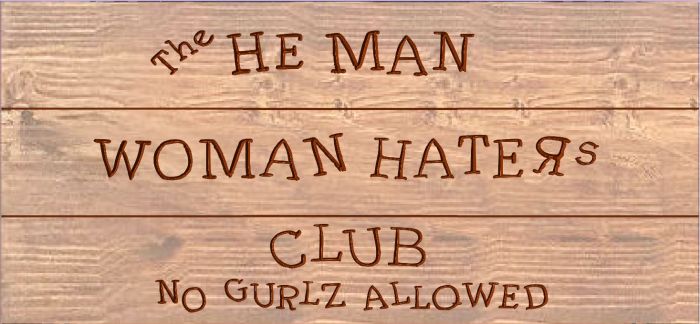
The He-Man Woman Haters Club originated in the early days of animated television, drawing inspiration from classic childhood misadventures. The series centers on a group of boys who form a club with a humorous and exaggerated rule: “No girls allowed.” This premise, while simple, allowed writers to explore themes of friendship, loyalty, and the often-comical misunderstandings between children.
The idea was reminiscent of similar clubs from earlier literature and media, where childhood bonds were strengthened through shared adventures. By combining these familiar tropes with modern animation techniques, the series managed to appeal to both young audiences and adults who could appreciate its nostalgic undertones.
Characters That Defined the Club
One of the most endearing aspects of the He-Man Woman Haters Club is its colorful cast of characters. Each member of the club brings a unique personality to the table, creating a dynamic interplay that keeps viewers engaged.
The Leader: Often the most inventive and daring, the leader organizes the club’s activities and enforces the “no girls allowed” rule.
The Comic Relief: This character often finds themselves in humorous situations, bringing laughter and levity to the storyline.
The Brains: The problem-solver of the group, always devising clever plans to navigate challenges and conflicts.
The New Member: Introduced occasionally, new members provide fresh perspectives and often challenge the existing club dynamics.
The interactions between these characters create a lively narrative, demonstrating the complexities of friendship and group identity even at a young age.
Themes Explored in the Show
While the He-Man Woman Haters Club is primarily comedic, it also explores several deeper themes:
Friendship and Loyalty
The core of the series revolves around friendship. The boys’ dedication to each other showcases the importance of loyalty and teamwork, teaching viewers that friendships are strengthened by shared experiences and trust.
Gender Dynamics
Though the premise may seem outdated by modern standards, the show often uses humor to explore the differences between boys and girls. Many episodes subtly highlight the consequences of rigid rules and the value of understanding and respecting others.
Problem-Solving and Creativity
From navigating schoolyard challenges to dealing with rival clubs, the characters frequently employ creative thinking. These storylines encourage young audiences to think critically and approach problems with ingenuity.
Humor and Lighthearted Mischief
At its heart, the series thrives on comedic scenarios. Misunderstandings, pranks, and exaggerated reactions keep the tone playful while delivering meaningful lessons without feeling preachy.
The Animation Style
The animation of He-Man Woman Haters Club reflects the era in which it was produced. Bright colors, exaggerated expressions, and dynamic movements characterize the visual style. While modern audiences may find the animation simple compared to today’s high-definition productions, it carries a nostalgic charm that many fans cherish.
The style emphasizes character expressions and comedic timing, ensuring that even without complex graphics, the humor and storytelling remain effective. The simplicity of the animation allows viewers to focus on the narrative and character interactions, which are the true heart of the series.
Cultural Impact and Legacy
Though not a mainstream phenomenon, the He-Man Woman Haters Club has left a lasting impact on animation enthusiasts and pop culture historians. Its portrayal of childhood clubs has inspired countless homages in television, comics, and online media.
The series also sparked conversations about gender roles in children’s programming. While its original premise might be seen as controversial today, it offers insight into the social norms and comedic sensibilities of its time. Collectors and animation historians often reference the show when studying the evolution of animated storytelling and character archetypes.
Why the Series Resonates Today
Despite its age, the He-Man Woman Haters Club continues to resonate with viewers for several reasons:
Nostalgia: Adults who watched the show as children appreciate its humor and familiar character dynamics.
Relatable Themes: Friendship, loyalty, and the challenges of social interactions are timeless concepts.
Humor: The lighthearted mischief and clever storytelling make it enjoyable for new audiences as well.
Simplicity: The straightforward plotlines and clear character motivations provide a welcome contrast to the complex media landscape of today.
Episodes and Memorable Storylines
Several episodes of He-Man Woman Haters Club have become iconic among fans. Some of the most memorable storylines include:
The Big Prank: The club sets up an elaborate prank on a rival group, teaching lessons about planning and teamwork.
New Kid in Town: A new member challenges the club’s traditions, showing how openness and adaptation can strengthen friendships.
The School Dance: The boys navigate the social dynamics of a school event, resulting in hilarious misunderstandings and a subtle lesson about inclusivity.
These episodes highlight the balance between comedy and moral lessons, demonstrating the series’ ability to entertain while also imparting valuable insights.
Modern Adaptations and References
While the original series ended decades ago, its influence can still be seen in modern media. Animated shows featuring childhood clubs, mischief, and humorous adventures often draw inspiration from the foundations laid by the He-Man Woman Haters Club.
Merchandise, nostalgic re-releases, and online fan communities have kept the series alive for new generations. Discussions on forums and social media platforms highlight favorite episodes, characters, and the lasting charm of the show’s humor.
FAQs About He-Man Woman Haters Club
Q1: What is the main premise of the He-Man Woman Haters Club?
A1: The series revolves around a group of boys who form a club with the rule “No girls allowed,” navigating childhood adventures, friendships, and humorous challenges.
Q2: Who are the main characters in the series?
A2: The main characters include the club leader, the comic relief, the brains, and occasionally a new member who brings fresh perspectives.
Q3: Is the show appropriate for children today?
A3: Yes, though some humor and social norms reflect its original era, the series remains largely suitable for young audiences while offering nostalgic enjoyment for adults.
Q4: What lessons does the show teach?
A4: It emphasizes friendship, loyalty, problem-solving, creativity, and understanding differences between people.
Q5: Where can I watch the He-Man Woman Haters Club today?
A5: The series is primarily available through collectors, digital archives, and fan communities that preserve classic animation.
Q6: Why is the series still remembered today?
A6: Its unique blend of humor, relatable childhood experiences, and memorable characters make it a nostalgic favorite among animation enthusiasts.
Conclusion
The He-Man Woman Haters Club remains a testament to the enduring appeal of simple, well-crafted storytelling. Through its humorous depiction of childhood clubs, friendships, and playful mischief, the series continues to captivate audiences both young and old. Its legacy in animation history is secure, serving as a reminder that great storytelling often transcends time, style, and trends.
Whether you’re revisiting the series for nostalgia or discovering it for the first time, the charm and creativity of the He-Man Woman Haters Club offer timeless entertainment and valuable life lessons.