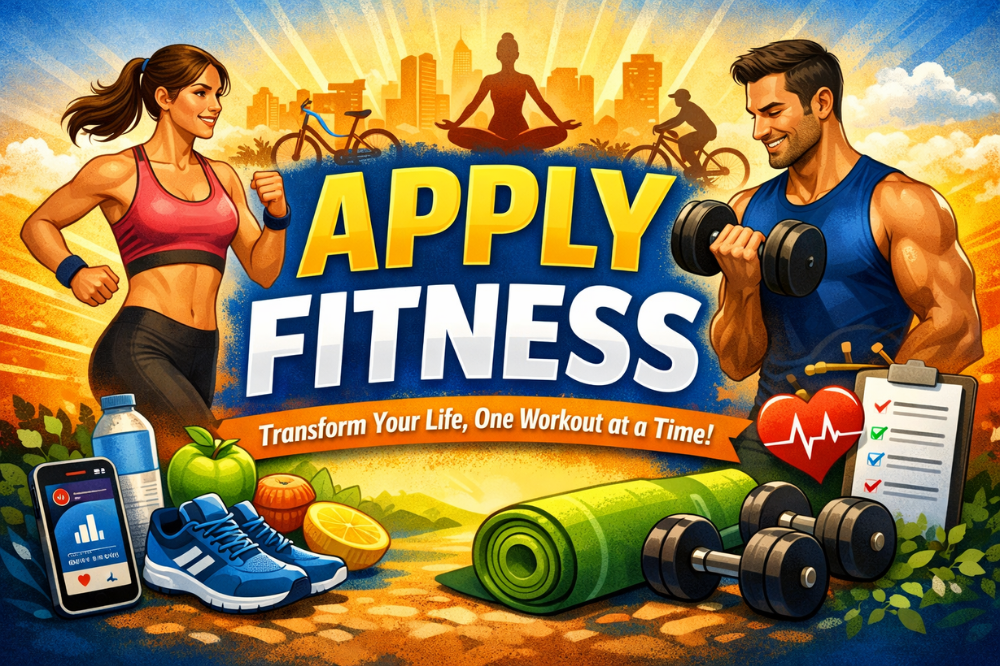
In today’s fast-paced world, maintaining good health has become more important than ever. Many people are searching for practical ways to improve their physical strength, energy levels, and overall well-being. This is where apply fitness becomes an essential concept. Rather than simply learning about exercise or health tips, apply fitness focuses on putting those strategies into action in everyday life.
Apply fitness means integrating healthy habits, workouts, and mindful practices into your daily routine. It is about applying the principles of fitness consistently to achieve long-term health benefits. Whether you are a beginner looking to start exercising or someone trying to improve your current routine, understanding how to apply fitness can help you reach your goals faster and more effectively.
This guide will explain what apply fitness means, why it matters, and how you can successfully incorporate it into your lifestyle.
What Does Apply Fitness Mean?
Apply fitness refers to the practical implementation of fitness knowledge. Many people read about exercise, nutrition, and healthy habits, but they struggle to turn that information into consistent action. Apply fitness bridges that gap.
It involves:
- Creating a structured workout routine
- Maintaining a balanced diet
- Staying physically active throughout the day
- Monitoring health progress
- Making long-term lifestyle adjustments
Instead of viewing fitness as a short-term goal, this encourages a sustainable and realistic approach to staying healthy.
Why Apply Fitness Is Important
Applying fitness principles regularly can dramatically improve your life. Physical health influences mental clarity, productivity, mood, and even confidence. When fitness becomes a daily habit, the body adapts and becomes stronger over time.
Some major benefits include:
Improved Physical Health
Consistent exercise strengthens the heart, muscles, and bones. It helps regulate blood pressure, improves circulation, and supports healthy weight management.
Better Mental Well-Being
Physical activity releases endorphins, which help reduce stress, anxiety, and depression. Many people notice improved mood and mental clarity when they regularly apply fitness habits.
Increased Energy Levels
Regular exercise boosts stamina and endurance. Instead of feeling tired during the day, individuals who practice apply fitness often feel more energetic and productive.
Stronger Immune System
Healthy physical activity and balanced nutrition support immune function, helping the body fight illnesses more effectively.
Steps to Apply Fitness in Your Daily Routine
Many people believe fitness requires extreme workouts or strict diets. In reality, apply fitness is about consistency and realistic habits. Here are practical steps you can follow.
Start With Clear Fitness Goals
Before beginning a routine, identify what you want to achieve. Goals help maintain motivation and direction.
Common fitness goals include:
- Weight loss
- Muscle gain
- Increased endurance
- Improved flexibility
- Better overall health
Write down your goals and track progress regularly.
Create a Weekly Workout Plan
A structured workout routine helps maintain discipline. Beginners can start with simple exercises and gradually increase intensity.
Example weekly plan:
- Cardio exercises (3 days)
- Strength training (2 days)
- Stretching or yoga (2 days)
Even short workouts of 20–30 minutes can be effective when done consistently.
Focus on Balanced Nutrition
Fitness is not only about exercise. Nutrition plays a vital role in achieving results.
Healthy eating habits include:
- Consuming more fruits and vegetables
- Choosing whole grains instead of refined carbs
- Eating lean protein sources
- Staying hydrated throughout the day
- Reducing processed and sugary foods
A balanced diet supports muscle recovery and provides energy for workouts.
Stay Consistent
Consistency is the most important factor in this. Results rarely appear overnight, but regular effort leads to long-term success.
Small habits such as walking daily, stretching in the morning, or choosing stairs over elevators can make a significant difference over time.
Common Challenges When Applying Fitness
Even motivated individuals face challenges when trying to maintain a fitness routine. Recognizing these obstacles can help you overcome them.
Lack of Time
Busy schedules are one of the biggest barriers. However, short workouts or home exercises can still provide benefits. Even 15 minutes of activity is better than none.
Loss of Motivation
Motivation can fluctuate. To stay consistent, consider:
- Working out with a friend
- Joining fitness communities
- Tracking progress
- Setting new fitness challenges
Unrealistic Expectations
Many people quit because they expect fast results. Fitness is a gradual process, and patience is essential.
Best Types of Exercises to Apply Fitness
Different exercises target different aspects of health. Combining several types of workouts ensures balanced fitness.
Cardiovascular Exercise
Cardio improves heart health and burns calories.
Examples include:
- Running
- Cycling
- Swimming
- Brisk walking
- Jump rope
Strength Training
Strength exercises build muscle and improve metabolism.
Examples include:
- Push-ups
- Squats
- Weightlifting
- Resistance band workouts
Flexibility and Mobility
Stretching helps prevent injuries and improves posture.
Examples include:
- Yoga
- Pilates
- Dynamic stretching routines
The Role of Technology in Apply Fitness
Modern technology has made it easier to stay committed to health goals. Fitness apps, wearable devices, and online workout programs help track progress and maintain motivation.
Popular tools include:
- Fitness tracking watches
- Workout planning apps
- Online fitness communities
- Virtual coaching programs
These tools provide reminders, progress reports, and personalized fitness suggestions.
How to Maintain Long-Term Fitness Success
The biggest challenge is not starting fitness—it is maintaining it over the long term. To successfully apply fitness principles for life, consider the following strategies.
Build Sustainable Habits
Instead of extreme workouts, focus on routines that are realistic and enjoyable. If exercise feels like punishment, it becomes difficult to maintain.
Track Your Progress
Monitoring your improvements can boost motivation. Record workout sessions, weight changes, or endurance improvements.
Prioritize Rest and Recovery
Rest days allow muscles to recover and prevent injuries. Quality sleep also plays a crucial role in overall health and fitness progress.
Stay Flexible
Life changes, and your routine may need adjustments. Adapt your workouts and goals as needed rather than abandoning them completely.
The Future of Apply Fitness
Fitness trends continue evolving with new technologies, research, and wellness strategies. Personalized fitness programs, virtual workouts, and AI-driven health tracking are becoming more common.
However, the core principle of apply fitness remains the same: consistently implementing healthy habits that support physical and mental well-being.
People who successfully this strategies are more likely to maintain a balanced lifestyle and experience long-term health benefits.
Conclusion
Apply fitness is more than just a concept—it is a lifestyle approach focused on turning health knowledge into daily action. By setting realistic goals, maintaining consistent workouts, eating balanced meals, and staying motivated, anyone can improve their overall health and well-being.
The key to success is consistency and patience. Fitness is a journey that develops over time, and every small step contributes to a healthier future. By learning how to properly apply fitness principles, individuals can build stronger bodies, sharper minds, and more fulfilling lives.
FAQs
What is apply fitness?
Apply fitness refers to the process of putting fitness knowledge into action by consistently following exercise routines, healthy eating habits, and active lifestyle practices.
How can beginners start apply fitness?
Beginners can start by setting simple goals, doing short workouts, eating balanced meals, and gradually increasing physical activity levels.
How many days a week should I exercise?
Most health experts recommend exercising at least 3–5 days per week, combining cardio, strength training, and flexibility exercises.
Can apply fitness help with weight loss?
Yes. When combined with healthy nutrition and regular exercise, apply fitness strategies can support sustainable weight loss.
Is apply fitness only for athletes?
No. Apply fitness is for everyone, regardless of age or experience level. The goal is simply to adopt healthier habits and maintain an active lifestyle.