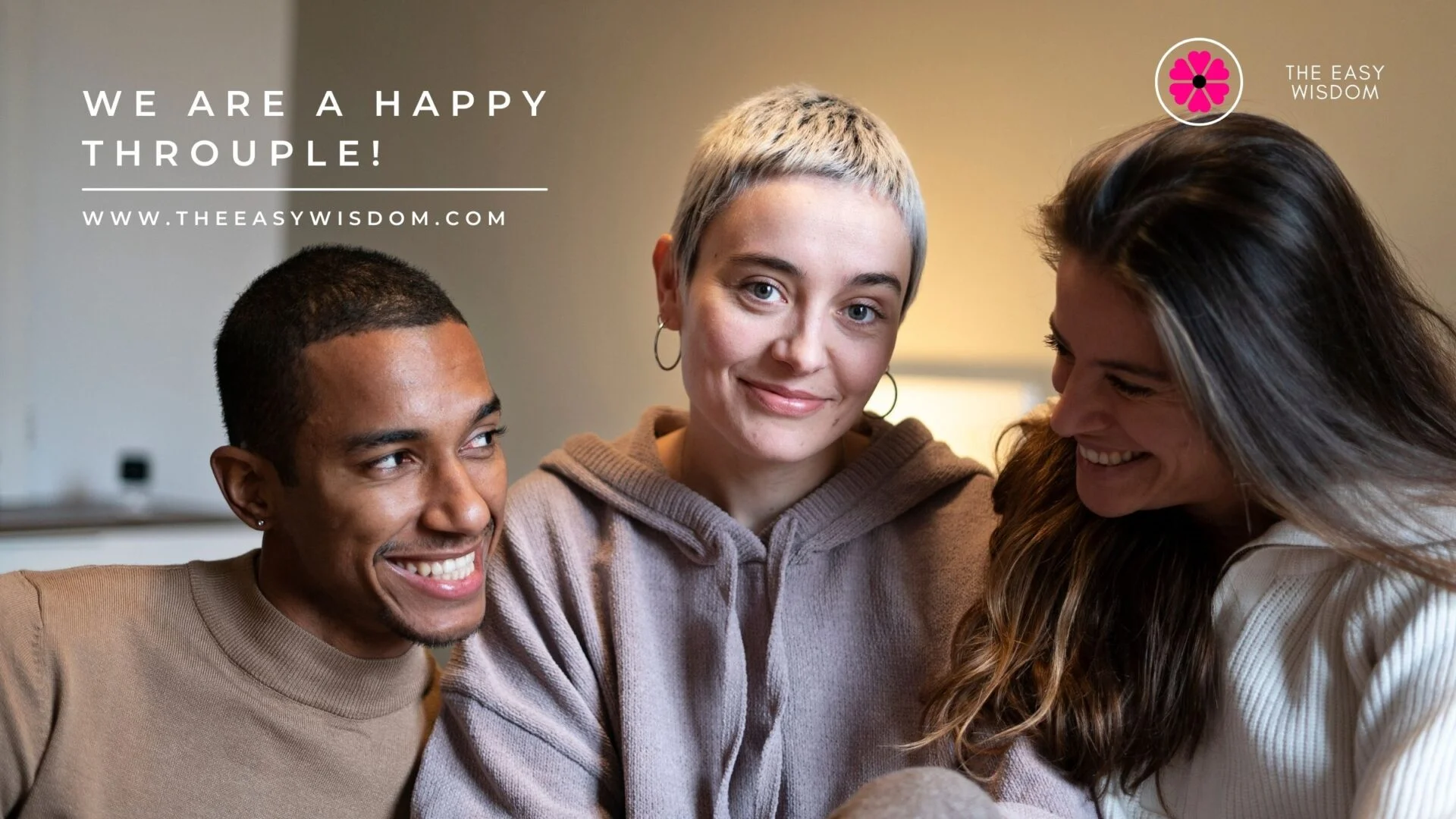
Relationships have evolved significantly in recent decades, reflecting broader social changes and shifting attitudes toward love, commitment, and partnership. One relationship style that has gained increased visibility is the throuple—a romantic relationship involving three people who are all committed to one another. While not new, the concept is becoming more widely discussed as people explore relationship structures that better fit their emotional and personal needs.
This article provides a comprehensive look at what a throuple is, how it works, the benefits and challenges involved, and the social dynamics that shape these relationships. Whether you’re curious, researching, or considering this relationship style, understanding the fundamentals can offer valuable insight.
What Is a Throuple?
A throuple is a consensual romantic relationship between three individuals. Unlike a traditional couple, where two people share a partnership, a throuple involves three partners who agree to emotional and often romantic commitment with one another.
Throuples fall under the broader umbrella of ethical non-monogamy, which emphasizes transparency, consent, and communication. In a throuple, each person’s role and level of connection can vary. Some throuples are fully interconnected, where all three partners share equal romantic bonds, while others may have different relationship dynamics within the trio.
The Growing Visibility of Throuples
The increased discussion around throuples is closely linked to changing societal attitudes toward relationships. Social media, television, and online communities have helped normalize conversations about non-traditional partnerships.
Younger generations, in particular, tend to prioritize emotional compatibility and personal fulfillment over strict adherence to traditional relationship models. As a result, more people feel comfortable exploring relationship structures that align with their values.
Greater visibility doesn’t necessarily mean throuples are becoming mainstream, but it does indicate a broader acceptance of diverse ways of loving and forming partnerships.
Types of Throuple Structures
Not all throuples function in the same way. Understanding the different structures helps clarify how these relationships can be organized.
1. Triad Relationship
In a triad, all three partners are romantically involved with one another equally. Decisions, responsibilities, and emotional bonds are typically shared among the group.
2. V-Shaped Relationship
In this structure, one person is romantically involved with two partners who are not romantically involved with each other. While still a three-person relationship, the connections differ within the group.
3. Hierarchical Throuple
Some throuples have a primary partnership with a third partner who may have a different level of commitment or involvement. This structure often involves negotiated boundaries and expectations.
Each model requires clear communication to ensure that everyone feels valued and respected.
Why People Choose Throuples
There are many reasons individuals may choose a throuple relationship. These motivations often reflect personal values, emotional needs, and lifestyle preferences.
Desire for Expanded Emotional Support
Having three partners can provide a broader support system. Emotional responsibilities are shared, and partners may feel more supported during life’s challenges.
Greater Relationship Flexibility
Some people find that traditional monogamy doesn’t fully meet their needs. A throuple allows for a customized relationship structure that can feel more authentic.
Exploration of Identity
For some individuals, being in a throuple aligns with their identity or personal philosophy about love and connection. It can offer a space to explore intimacy in a way that feels natural and fulfilling.
Benefits of Being in a Throuple
Like any relationship, throuples can offer meaningful rewards when built on strong foundations.
Enhanced Communication Skills
Successful throuples rely heavily on open dialogue. Partners often develop strong communication habits, which can deepen trust and understanding.
Diverse Perspectives
With three individuals contributing ideas and viewpoints, decision-making can benefit from broader perspectives.
Shared Responsibilities
Practical responsibilities such as finances, household tasks, or caregiving can be distributed among three people, which may reduce stress.
Deep Emotional Bonds
When all partners are emotionally invested, the sense of connection can be profound, creating a close-knit support network.
Challenges Throuples May Face
While throuples can be fulfilling, they also come with unique challenges that require careful navigation.
Jealousy and Insecurity
Managing emotions among three partners can be complex. Feelings of jealousy may arise if communication and reassurance are lacking.
Time Management
Balancing schedules, quality time, and individual needs can be more demanding than in a two-person relationship.
Social Stigma
Despite growing acceptance, throuples may still encounter misunderstanding or judgment from friends, family, or society.
Legal Limitations
Most legal systems recognize only two-person partnerships, which can complicate issues like marriage rights, healthcare decisions, or parental recognition.
Communication: The Foundation of a Healthy Throuple
Clear and consistent communication is essential in any relationship, but it becomes even more crucial in a throuple. Partners must openly discuss expectations, boundaries, and feelings to maintain trust.
Regular check-ins, honest conversations, and conflict-resolution strategies help ensure that everyone’s needs are addressed. Transparency about emotions, including difficult ones, strengthens the relationship’s resilience.
Setting Boundaries and Expectations
Boundaries help define how the relationship functions and protect each partner’s emotional well-being. These may include:
Time allocation between partners
Emotional or physical boundaries
Decision-making processes
Financial responsibilities
When boundaries are mutually agreed upon and revisited over time, they provide stability and clarity.
Throuples and Society
Public perception of throuples varies widely depending on cultural and regional attitudes. In some communities, non-traditional relationships are increasingly accepted, while in others they remain controversial.
Media representation has played a significant role in shaping awareness, but real-life experiences often differ from fictional portrayals. As conversations around relationship diversity continue, social understanding is gradually expanding.
Emotional Dynamics in a Three-Person Relationship
Emotional balance is a central aspect of a healthy throuple. Each partner must feel valued and included. This requires intentional effort to avoid feelings of exclusion or imbalance.
Many throuples emphasize emotional equity—ensuring that no partner consistently feels secondary or overlooked. Achieving this balance often involves empathy, patience, and ongoing dialogue.
Is a Throuple Right for Everyone?
Throuples are not inherently better or worse than other relationship structures—they simply suit some people more than others. Individuals who thrive in throuples often share certain qualities:
Strong communication skills
Emotional self-awareness
Comfort with non-traditional dynamics
Willingness to navigate complexity
For those who prefer exclusivity or simplicity, a traditional partnership may feel more fulfilling.
Building a Healthy Throuple Relationship
Creating a thriving throuple requires intentional effort and shared commitment. Key strategies include:
Prioritizing Trust
Trust grows through honesty, reliability, and consistency. Without it, misunderstandings can quickly escalate.
Practicing Emotional Check-Ins
Regular conversations about feelings help prevent small issues from becoming major conflicts.
Maintaining Individual Identity
Healthy throuples encourage each partner to pursue personal interests and maintain independence alongside the shared relationship.
Seeking Support When Needed
Relationship counseling or support communities can provide valuable guidance, especially during challenging periods.
The Future of Relationship Diversity
As society continues to evolve, relationship diversity is likely to become more visible and discussed. While monogamy remains the most common structure, alternatives like throuples highlight the importance of choice and personal compatibility.
The growing conversation around relationship styles reflects a broader cultural shift toward acceptance, self-expression, and redefining what commitment can look like.
FAQs About Throuples
What does the term throuple mean?
A throuple refers to a romantic relationship involving three people who are all committed to one another in a consensual arrangement.
Are throuples the same as open relationships?
Not necessarily. A throuple is a specific three-person partnership, while open relationships may involve multiple partners outside a primary relationship without forming a single committed trio.
Can a throuple be long-term?
Yes. Many throuples maintain long-term commitments, including shared homes, finances, or parenting responsibilities, depending on their agreements.
Do all partners have equal relationships with each other?
It depends on the structure. Some throuples are fully equal triads, while others have different levels of connection between partners.
How do throuples handle conflict?
Healthy throuples address conflict through open communication, mediation, and mutual respect, similar to any relationship but with additional attention to group dynamics.
Is jealousy common in throuples?
Jealousy can occur, just as it can in any relationship. Managing it involves reassurance, transparency, and clear communication.
Are throuples legally recognized?
In most places, legal systems recognize only two-person marriages or partnerships, so throuples typically do not have full legal recognition.
Can throuples have families?
Yes. Some throuples raise children together or create family structures that reflect their shared commitments and responsibilities.
Conclusion
Throuples represent one of many ways people choose to build meaningful connections. At their core, these relationships emphasize consent, communication, and emotional honesty. While they come with unique challenges, they can also offer deep companionship and support for those who find that this structure aligns with their needs.
Understanding throuples helps broaden perspectives on modern relationships and highlights the diversity of ways people experience love and partnership in today’s world.